
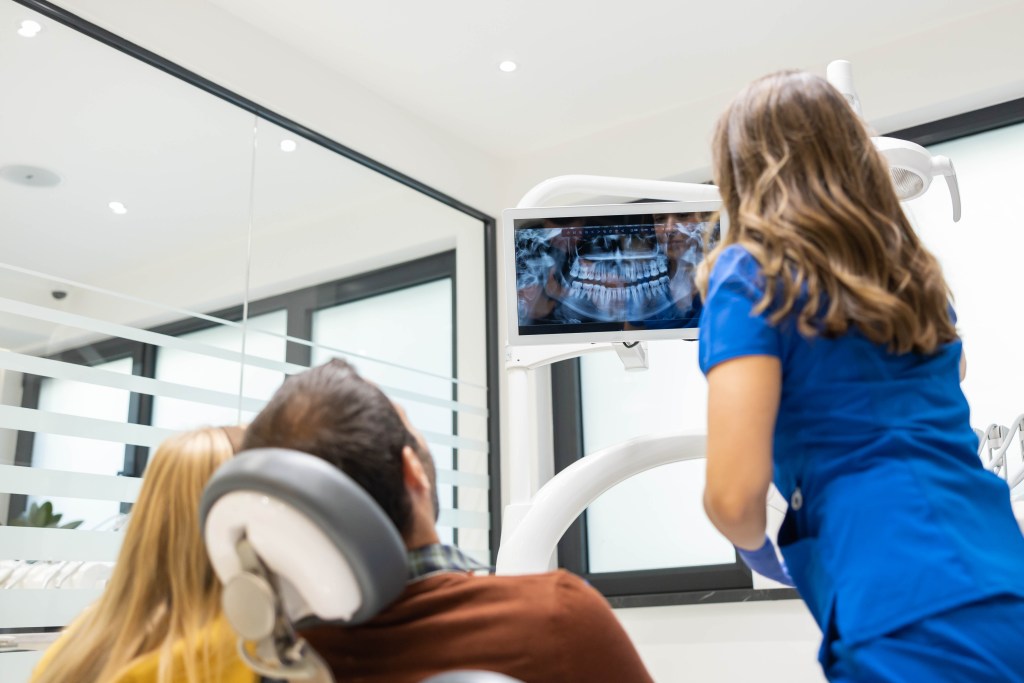
Understanding the Health of Your Hygiene Department
Your hygiene department is the heartbeat of your dental practice. It’s where patient relationships are built, periodontal disease is prevented or diagnosed, and long-term health outcomes begin. But how healthy is your hygiene department—really?
To answer that, you first need to evaluate your office mindset. The culture and attitude of your dental team directly influence how well your hygiene program performs.
- The Power of Mindset: Growth vs. Fixed
A thriving hygiene department starts with a growth mindset.
If your team embraces learning, innovation, and change, they’re likely to welcome new protocols—especially when it comes to diagnosing and managing periodontal disease.
However, a fixed mindset can hold your team back. Resistance to change can prevent the adoption of updated care standards or diagnostic tools. Encourage open dialogue, training sessions, and team-building exercises that promote professional development.
Pro Tip:
Introduce mindset discussions at staff meetings. Ask, “Are we open to improving our patient care through new methods?” This simple question can ignite transformative conversations.
- Utilize Updated Periodontal Disease Guidelines
One of the best tools at your disposal is the American Academy of Periodontology’s official guide on the stages of periodontal disease. Downloading and reviewing these stages ensures your team has the most up-to-date diagnostic criteria.
Use these resources as educational material during team meetings. Discuss real patient cases and how updated protocols can lead to earlier diagnoses and better outcomes.
👉 Visit the American Academy of Periodontology’s website to access the latest resources.
- Go Beyond “Just a Cleaning”
Many patients still think of their hygiene appointments as “just a cleaning.” But as a dental healthcare professional, you know it’s so much more.
Inflammation in the mouth can signal systemic health concerns such as:
- Diabetes
- Heart disease
- Lupus
- Autoimmune conditions
By shifting both your mindset and your patients’ understanding, you can transform every hygiene appointment into a comprehensive oral health evaluation.
- Strengthen Communication and Patient Dialogue
Your ability to communicate effectively with patients is a cornerstone of periodontal care. Use language that’s empathetic, educational, and easy to understand.
For instance, instead of saying, “You have deep pockets,” you might say,
“We’ve found some inflammation and changes in your gum tissue. That can mean we need to explore why your gums are inflamed.”
This kind of patient-centered dialogue encourages trust, curiosity, and compliance. It helps patients understand that your goal is not just to treat symptoms but to uncover and address the underlying causes of their oral health issues.
- Build Strong Relationships with Periodontists
Establishing partnerships with local periodontists can strengthen your patient care network. A collaborative relationship provides:
- Expert support for complex periodontal cases
- Validation of your treatment recommendations
- Enhanced patient confidence in your care
Having these specialists as referral partners helps your practice stay aligned with best practices and ensures patients receive the highest standard of care.
- Modern Tools to Diagnose Periodontal Disease
Gone are the days of simply “watching” periodontal symptoms progress. Modern dental practices have multiple tools to diagnose and track periodontal disease effectively.
Here are key methods to integrate into your hygiene protocol:
| Diagnostic Tool | Purpose |
| Periodontal Probing | Measures pocket depths and identifies disease activity. |
| Charting Bleeding Points | Tracks inflammation and tissue response. |
| Vertical and Horizontal X-rays | Reveals bone loss and structural changes. |
| Saliva Testing | Detects bacterial activity linked to periodontal pathogens. |
| Intraoral Camera | Visually educates patients by showing affected areas in real-time. |
Incorporating these tools helps your team detect early signs of periodontal issues and provides visual and measurable data for patients.
- Implementing a New Periodontal Protocol
Once you’ve gathered your resources and updated diagnostic tools, it’s time to implement a new periodontal protocol.
Key steps include:
- Conducting a team workshop on new diagnostic criteria.
- Setting measurable hygiene department goals.
- Establishing clear communication templates for patient education.
- Monitoring progress and adjusting protocols quarterly.
By actively engaging your team in this process, you’ll see not only improved patient outcomes but also increased confidence and motivation among your staff.
The Benefits of a Healthy Hygiene Department
When your hygiene department thrives, your entire practice benefits. Expect to see:
- Increased patient retention
- Higher treatment acceptance rates
- Improved overall oral-systemic health
- A boost in production revenue
- Greater professional fulfillment among your hygienists
A healthy hygiene department isn’t just good for business—it’s essential for patient trust and long-term success.
Frequently Asked Questions (FAQs)
- How often should periodontal protocols be updated?
It’s best to review and update your periodontal protocols annually or whenever major guideline changes occur from trusted organizations like the AAP.
- What’s the difference between gingivitis and periodontal disease?
Gingivitis is inflammation of the gums without bone loss, while periodontal disease involves bone and tissue destruction that can lead to tooth loss.
- How can hygienists motivate patients to take periodontal care seriously?
Use visuals (like intraoral photos) and simple explanations that connect oral health to systemic diseases such as diabetes or heart disease.
- What’s the role of mindset in dental team performance?
A growth mindset encourages adaptability, teamwork, and continuous improvement—key elements in maintaining a thriving hygiene department.
- How do hygiene departments contribute to practice growth?
Through prevention, early diagnosis, and patient education, hygiene departments build loyalty, improve outcomes, and increase revenue.
- Why is collaboration with periodontists important?
It ensures patients with advanced periodontal issues receive specialized care, reinforcing your credibility and enhancing treatment success.
Conclusion: Nurture Growth, Inspire Care
A healthy hygiene department doesn’t just happen—it’s cultivated. By fostering a growth mindset, embracing new diagnostic tools, and building a team-centered protocol, you can transform your hygiene program into a thriving, patient-focused department.
Remember: When your hygiene department grows, so does your practice—and your impact on patient health.